November 2025
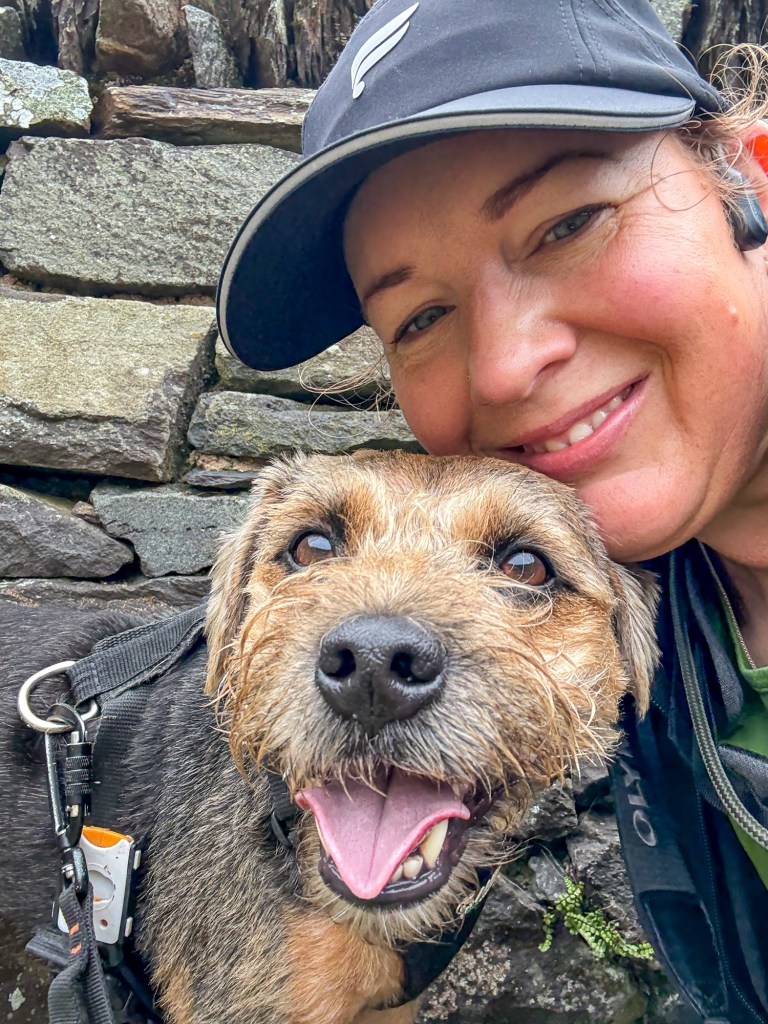
It was a wet start to the week — the heavy rain had returned. The valley felt subdued, wrapped in mist and the soft hiss of falling water. Pepper and I squelched miserably along the paths, our coats soaked within minutes of leaving the house.
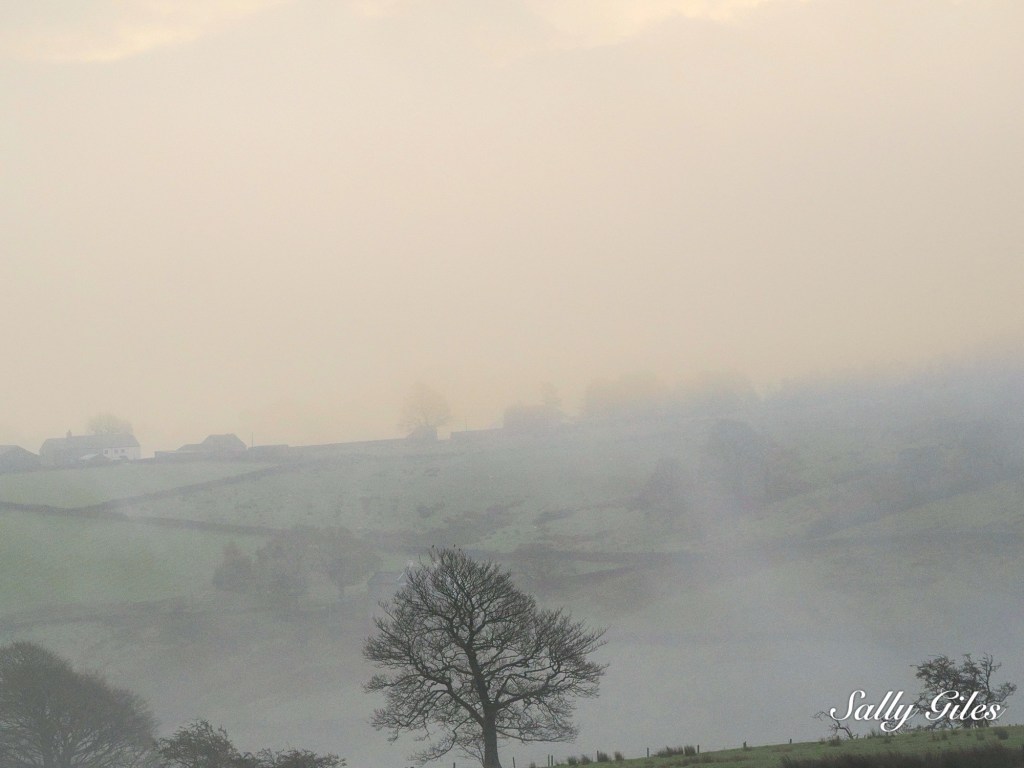
I took the camera with me, of course, but despite its weatherproofing, I hesitated to take it out of the case in such relentless rain. I can’t quite bring myself to leave it at home — you never know when a fox, a badger, or the sudden appearance of a “lifer” (Eagle Owl, Middle Spotted Woodpecker… you get the picture) might make it all worthwhile.

As it happened, the wildlife was hunkered down, sensibly hidden from sight. With my head lowered and my focus on not landing flat on my backside in the mud, my thoughts drifted to a recent conversation with a close friend. We were discussing three beautiful — and quite weighty — ideas: Hygge, Hiraeth, and the courage to be disliked.
If you’re curious about the art of being disliked, there’s a wonderful article here: Courage to be Disliked
Hygge is a word we’ve borrowed from the Danes — and like so many of their good ideas, it seems to make perfect sense once you’ve lived a few British winters. It’s hard to translate directly, but it’s about comfort, connection, and the quiet pleasure found in simple things: a warm blanket, the glow of a lamp, a steaming mug of tea, or laughter shared while the rain drums against the window. Hygge isn’t luxury; it’s contentment, found in ordinary moments when life feels safe, slow, and softly lit.
Hiraeth, by contrast, is one of those deeply Welsh words that doesn’t quite translate either — a kind of homesickness, but for something less tangible. It’s the ache for a place or a time that might not exist anymore; a longing for the land, for the past, for a belonging that’s just out of reach. It’s nostalgia and yearning, but gentler — a thread that ties you to where your heart still wanders.
And somewhere between the drizzle and the mud, both words seemed to take root in my mind.
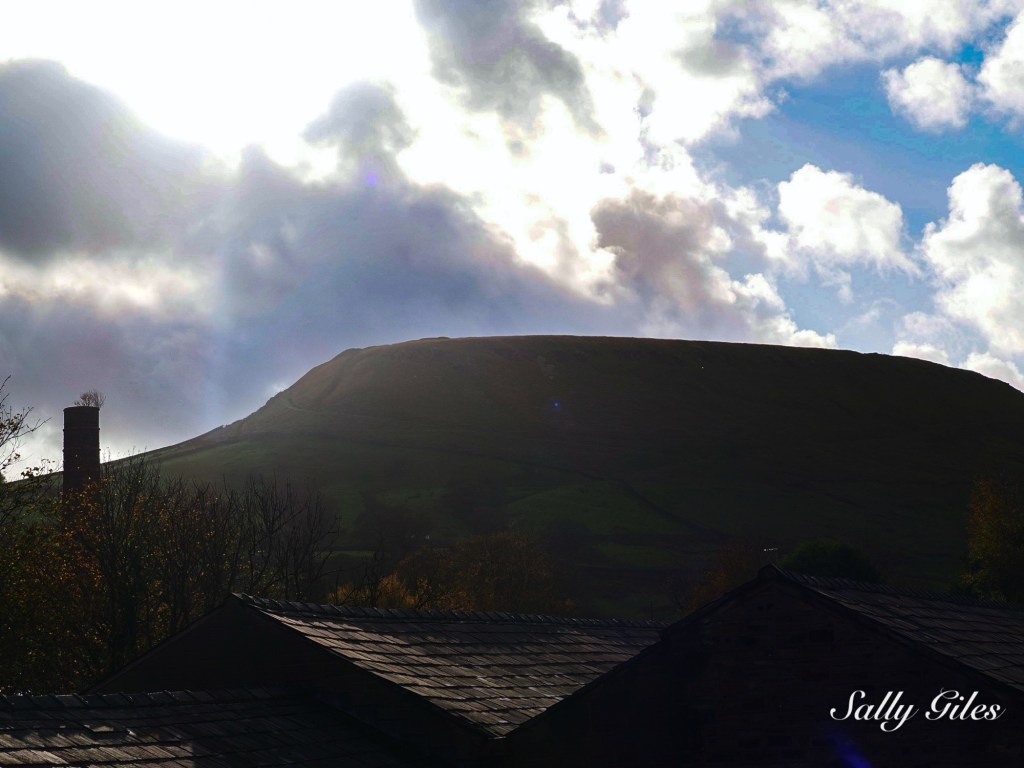
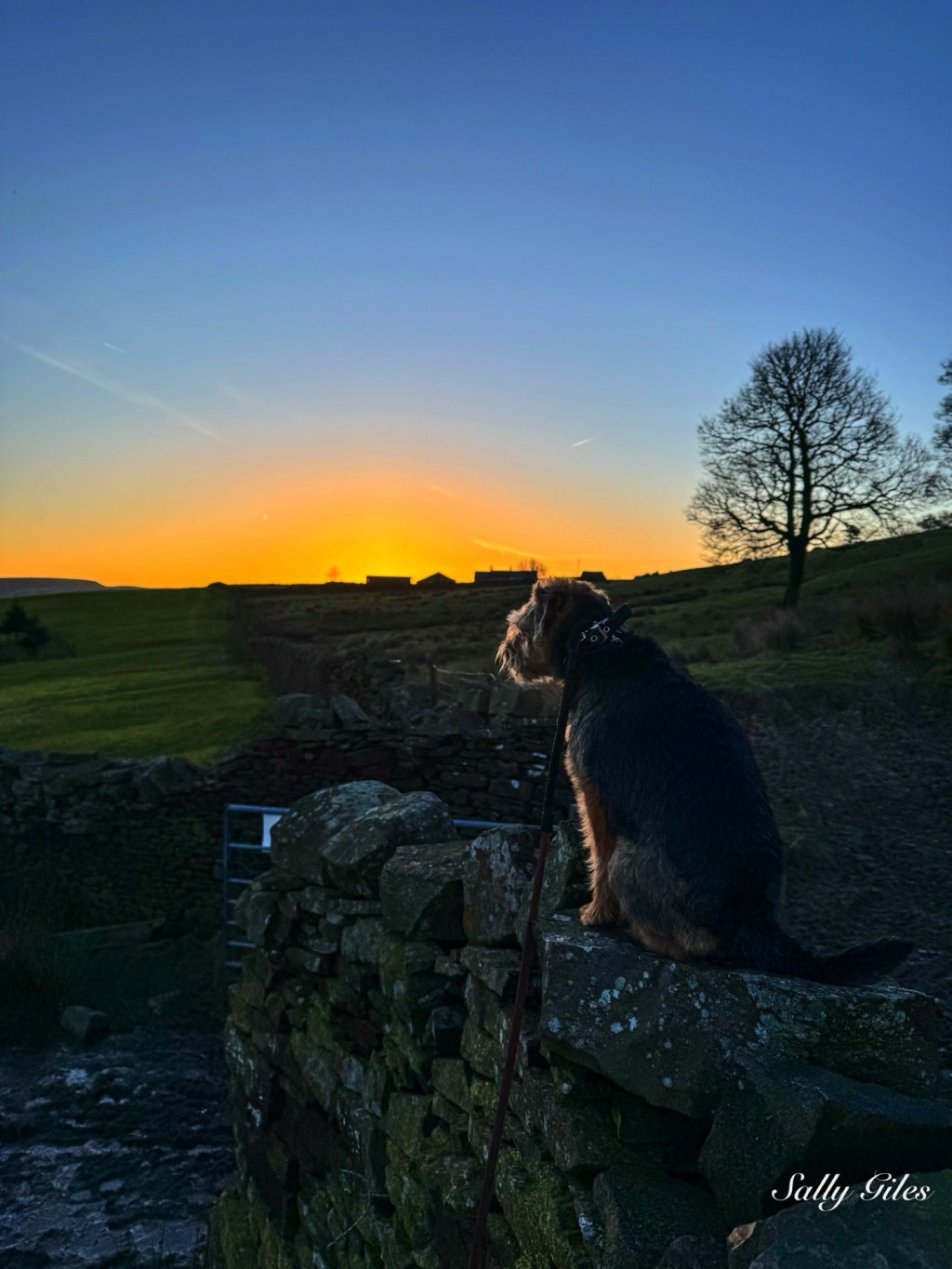
Hygge, I realised, doesn’t always arrive wrapped in blankets and candlelight. Sometimes it’s in the rhythm of rain on the roof, the scent of damp earth, or the small satisfaction of peeling off wet layers and hanging them to dry. It’s Pepper curled up by the fire, steam rising from my mug, and the sense that — for now — we’re sheltered from the storm. Those tiny, ordinary comforts that make the grey days bearable.

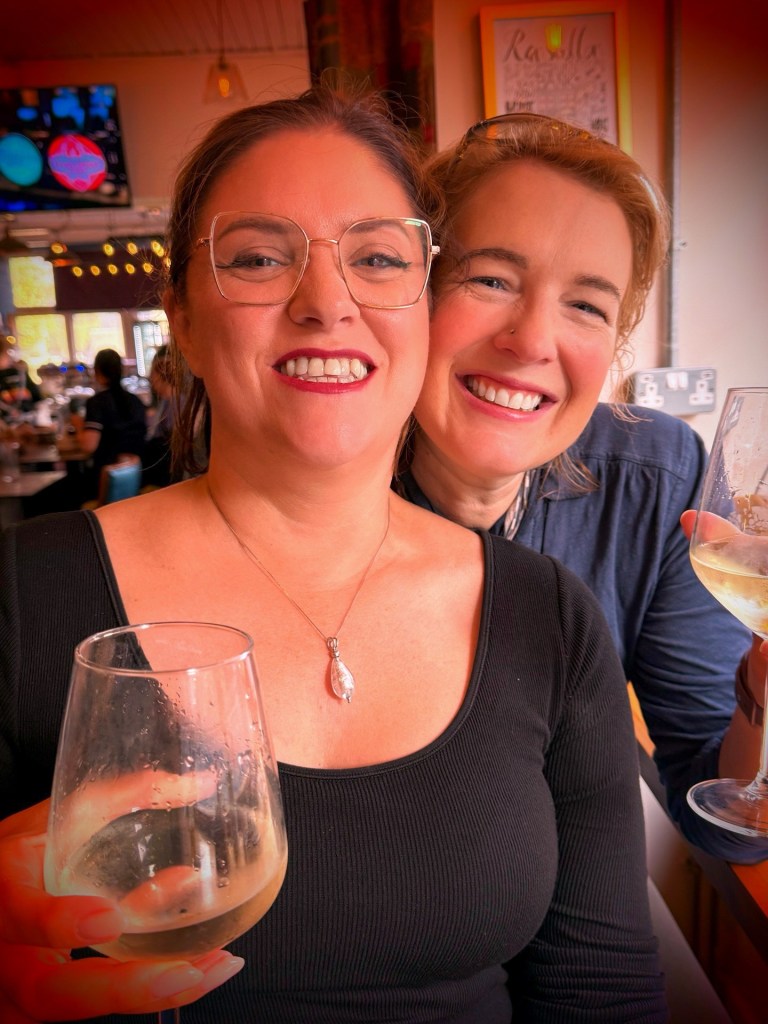
Hiraeth, though, is something deeper. I felt it walking the lanes this week, the valley veiled in mist, the river swollen and restless. It’s in the ache for clear skies and long summer walks, for faces and places that have slipped quietly into memory. Sometimes it’s not even about loss — just a tenderness for what has been, and what still lingers unseen beneath the rain.
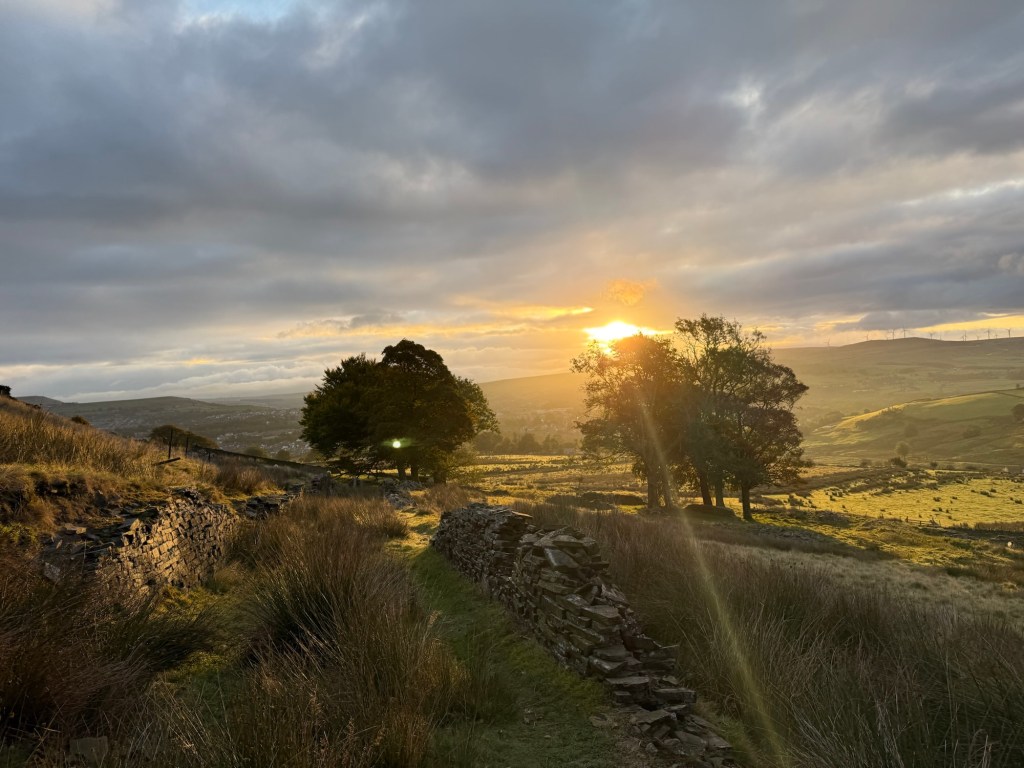


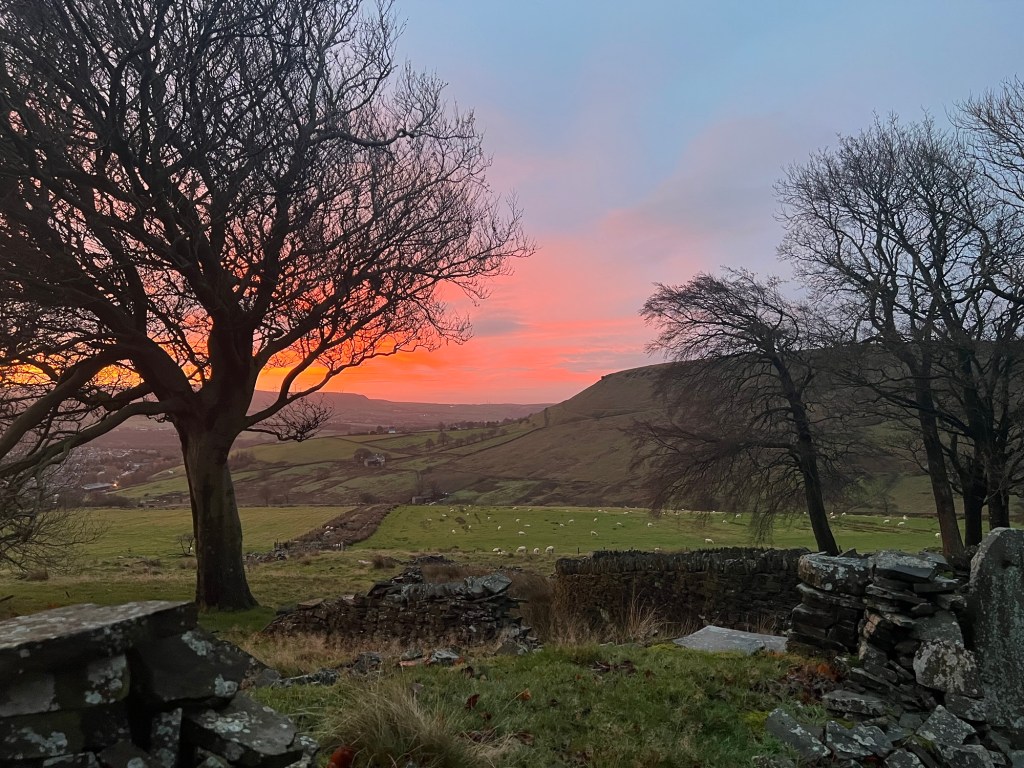

Between the two lies a balance I keep returning to — the pull between comfort and longing, between being content where I am and yearning for what’s gone. Perhaps that’s what November is for: learning to sit gently with both.
Lately, I’ve felt Hiraeth more keenly. Perhaps it was my recent trip back to Newport — to familiar streets, the curve of the estuary, and the warm, teasing chatter of family that never really changes. There’s a kind of grounding that comes from being among people who know your history by heart, who remember the younger, more uncertain versions of you. Standing on the old sea wall, watching the tide draw out across the mudflats, I felt that unmistakable tug — a longing for place, for belonging, for roots that still run deep beneath the surface.
But Hiraeth doesn’t belong only to the past. When I drove back north, the hills of Lancashire rising around me, I felt a quieter echo of it here too. Helmshore has become my other home — the place where I’ve planted new roots, found friendship, and learned the rhythms of a different valley. There’s comfort in returning to my own doorstep, Pepper bouncing with excitement, the rain glistening on the cobbles. The feeling isn’t so much the absence of home as the recognition of many homes — each one claiming a small piece of your heart.
And perhaps that’s what Hiraeth really means, in the end: not a sorrow for what’s gone, but a deep gratitude for all the places and people that shape who we are.
In reading The Courage to Be Disliked, what struck me most was the idea of choosing your own contentment — of saying no to things that don’t fit, and being brave enough to live according to what truly brings you peace. It sounds simple, but it’s not always easy. The world has a way of pulling us toward busyness, approval, and noise.
For me, that courage looks like muddy boots and rain on my hood. It’s early walks with Pepper when the rest of the world is still indoors, the quiet satisfaction of spotting a kestrel hovering over the fields, or the comfort of a cup of tea cooling beside the fire after a long day outside. Saying no has made space for all of that — for the things that feel enough.
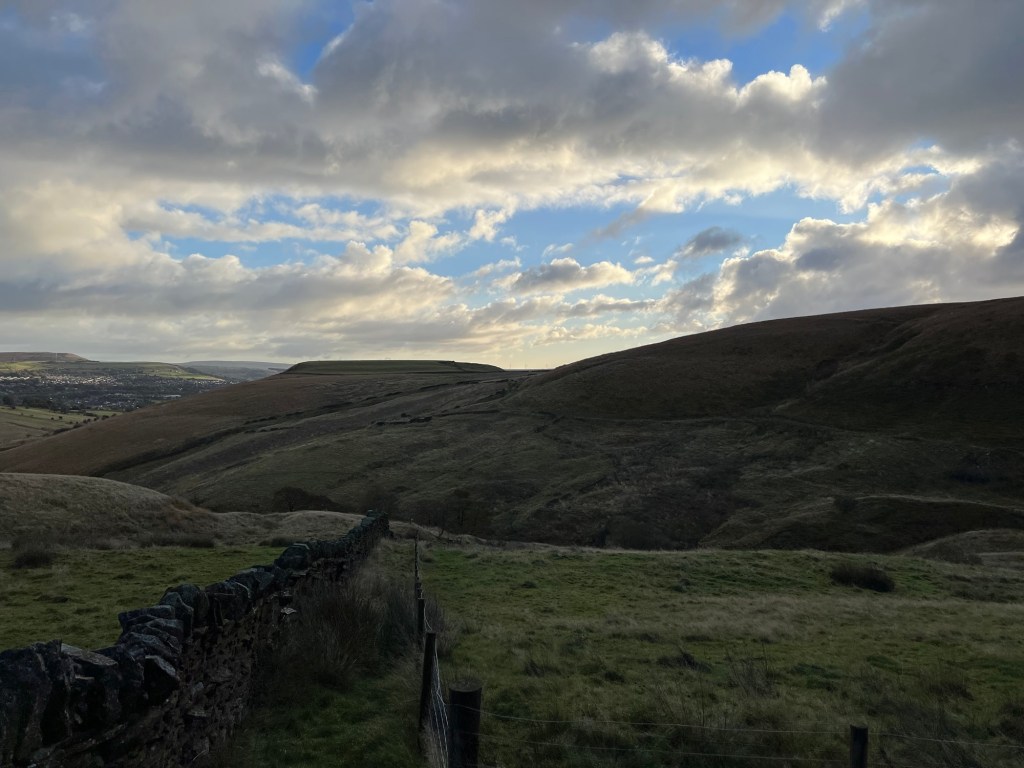


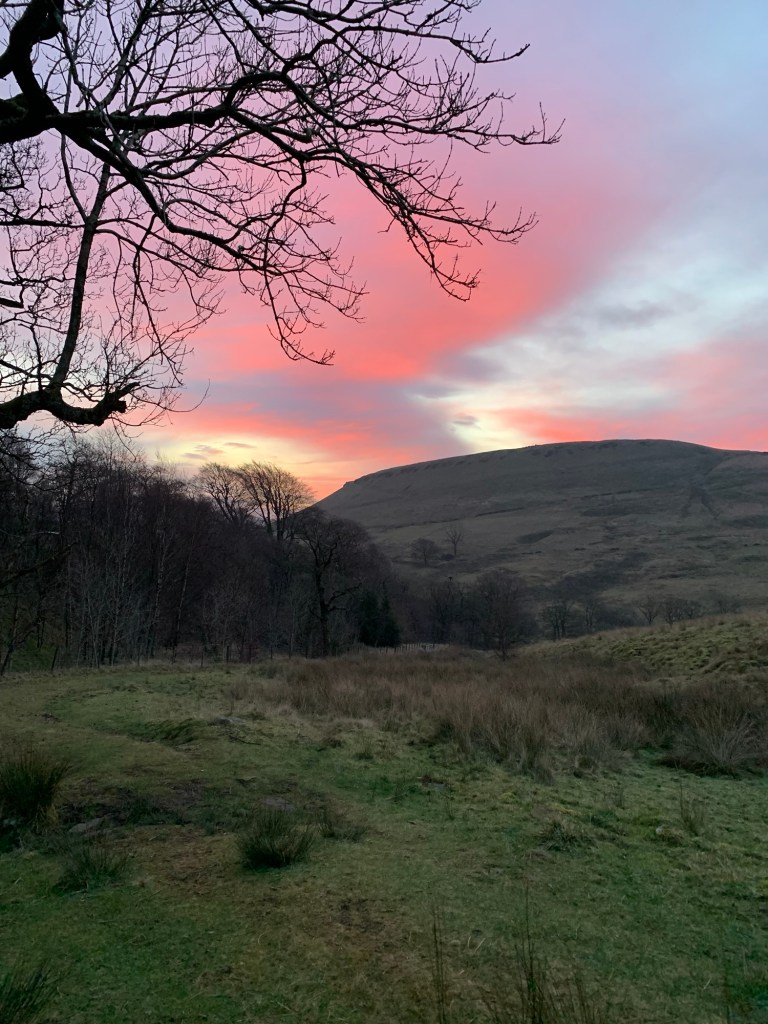



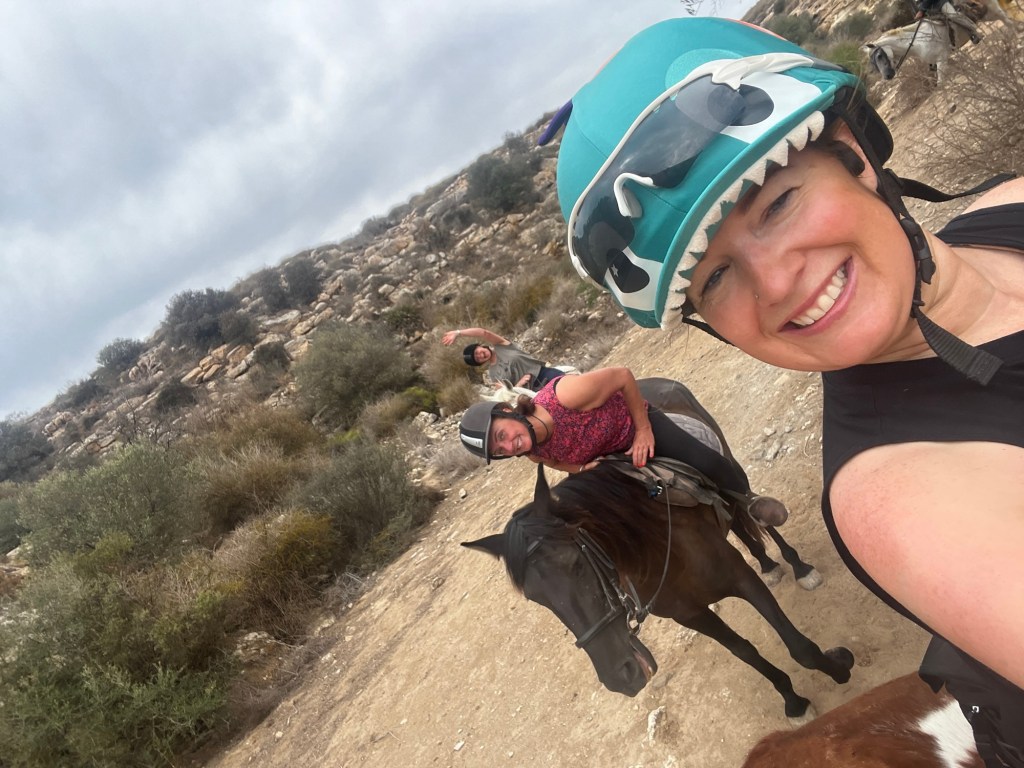



Maybe that’s what Hygge and Hiraeth both come down to, in the end: knowing where you belong, and learning to belong to yourself. Whether I’m standing on the edge of the Severn or walking the lanes of Helmshore, both feelings find me — that ache of connection, that calm acceptance. And on a week of rain and reflection, that feels like its own kind of happiness.




 A Dull Woman's Van Life
Leave a comment